Unlock revenue: strong trade show follow-up converts high-intent leads
The lead up to a trade show might seem like the most important steps. However, the day of the trade show is not the end. Once the event is over, that is when the real work begins. Learn how to take the connections and leads created during this event and convert them into hard sales or partnerships. Take these steps when considering how to best approach the following up on trade show leads.
Trade shows can be busy, noisy, and exhausting. They can also be one of the most powerful tools in a B2B marketing mix. But simply attending or working at a trade show alone is not enough. The real value in the show and the lasting connection comes from what happens after the event.
Learn more about what a trade show is, why it matters for companies, and most importantly, how to follow up properly once the event ends and everyone goes home. A strong follow-up strategy helps businesses turn short conversations into long-term relationships. Don’t forget to do the follow up, otherwise the prep and event were for nothing.
What is a trade show?
A trade show is a business event where companies from the same industry come together to showcase products and services. These industry events are usually aimed at professionals, not the general public, making them a great opportunity for businesses to see other businesses in their industry.
What to expect when attending a trade show:
- Exhibition stands and branded booths
- Product demonstrations or new launches
- Networking sessions with industry professionals and leaders
- Talks, panels, or workshops with special guest speakers
In the promotional products industry, trade shows provide an opportunity to:
- Show physical products in real life to potential customers or suppliers
- Demonstrate quality, materials, and branding options
- Put a face to a brand through personal connections
People remember experiences and human connection far more than emails or online or print ads. That is what makes trade shows so valuable for long-term relationships. Plus, the attendees are a very niche target group, making them the perfect audience.
How to track the success of a trade show
As trade shows are an important business opportunity, it is important to track conversions. Tracking these defined conversions helps determine the success of the event. These successes are often focused on three types of results - lead generation, brand awareness, and relationship building.
Lead generation 📈
Attending a trade show should have a purpose, the most notable being lead generation. Lead generation means reaching out to potential customers or clients and cultivating a relationship for the future.
Brand awareness 💡
Without brand awareness, these potential clients would not know or remember who they spoke with at the event. Brand awareness is the extent to which these customers or clients are familiar with a brand.
Relationship building 🤝
The benefit of doing trade shows in person are the direct person-to-person connections that happen. In order to make the most of these events, relationship building is the process of creating and developing positive connections with people. This is built on trust, communication, and empathy.
Why are trade shows important for companies?
As trade shows are focused on B2B, they are powerful networking tools for industries. They bring together buyers and suppliers in one place. This creates opportunities that are hard, if not almost impossible, to replicate online through more modern outreach.
Here are some key reasons trade shows matter:
- Face-to-face interaction builds trust faster than digital channels
- Qualified leads attend with a business purpose
- Brand visibility increases through stands, signage, and promotional giveaways
- Market insight comes from speaking directly with prospects and competitors
Trade shows also allow companies to stand out in a positive and professional way. A well-designed booth, friendly staff, and useful promotional products can make a lasting impression on anyone who visits.
However, that impression fades quickly without proper follow-up.
Why post-trade show follow-up is so important
Many companies invest time and money into events, then lose momentum afterwards. This is one of the biggest missed opportunities in B2B marketing. An improper follow up could lead to revenue loss, decrease in client acquisition and poor branding.
Following up after a trade show allows brands to do the following:
- Keeps the brand fresh in the prospect’s mind
- Shows professionalism and organisation
- Moves leads closer to a sale
- Increases return on investment (ROI)
People met at the event are already warm leads, especially targeted and niche leads. They recognise the brand and remember the conversation. That creates a strong starting point, so long as follow up actions are taken quickly.
Key steps to follow up after a trade show
A good follow-up plan should be clear, timely, and relevant. Below are the most important steps, along with why each one matters.
1. Organise and clean lead data
After the event, all lead information, whether it is names, phone numbers, or emails, should be gathered in one place. This may include:
- Business cards
- Badge scans
- Notes taken during conversations
Duplicate contact information should be removed and any missing details checked. Having a clean database full of the leads can lead to more efficient and effective follow ups.
📌 Why this matters:
Clean data saves time and prevents mistakes. It also helps companies group or segment leads properly, which improves follow-up quality. Ensuring every lead is followed up on and not leaving anything to chance.
2. Segment leads
Not every lead is at the same stage. Some are ready to buy, while others are in the interest stage and still exploring options. For this reason, it is important to make sure to consider the intent of the lead. This can lead to quicker and more effective decision making to prioritise the most important and beneficial leads.
Leads can be segmented by:
- Level of interest
- Industry
- Job role or title
- Product or service discussed
📌 Why this matters:
Segmented follow-ups feel more personal as they become more tailored to each specific segment. Personal messages achieve higher response rates and build stronger connections.
3. Send a timely first follow-up email
The first follow-up email should ideally be sent within 48–72 hours of the event ending. The attendees have visited a lot of booths, so it is important to be right at the top of their minds with a quick response or outreach. However, don’t respond too early. This could be taken in a negative way, as needy or too eager or desperate.
The email should:
- Thank the recipient for visiting the booth, stand, or table
- Reference the specific event
- Remind them of the company
- Include a clear next step to ensure more effective follow up
Messages should remain simple and friendly, rather than overly long. While templates can be used as a starting point, it is important to write personal emails to each contact. Make sure each email is unique to the recipient to avoid sounding unprofessional.
📌 Why this matters:
Quick follow-ups demonstrate reliability. They also help a company stand out from competitors who wait too long or simply never follow up at all. These quick follow-ups show a brand cares, which is important for long-term success or relationship.
4. Deliver on any promises made
If promises were made to send:
- A brochure
- A price list
- A sample
- A quote
These should be delivered quickly. The first impression a potential contact has cannot be from a broken promise. This will set a negative tone and overall have a negative impact on the future professional relationship.
📌 Why this matters:
Following through builds trust. Missed promises damage credibility and reduce the likelihood of closing a deal. Not only will brands not get the sale, but they lose the potential for future commitments too.
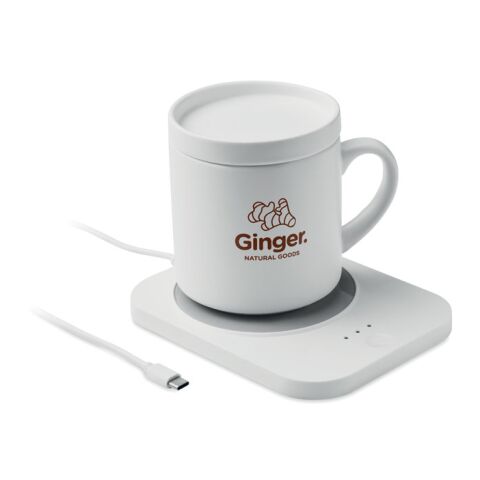
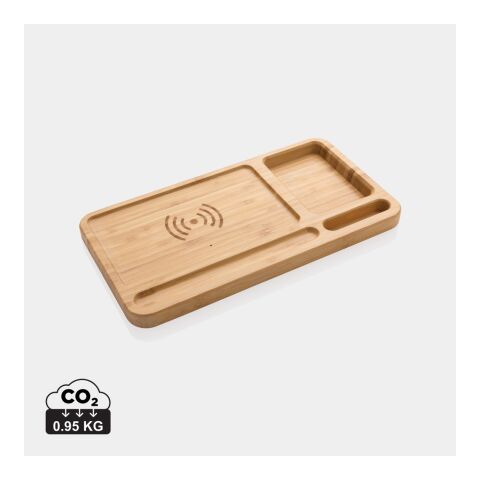
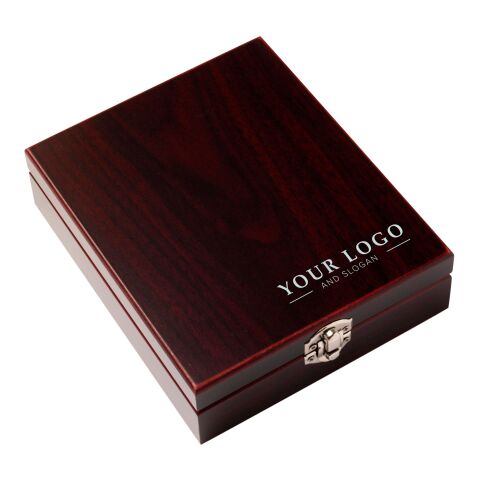
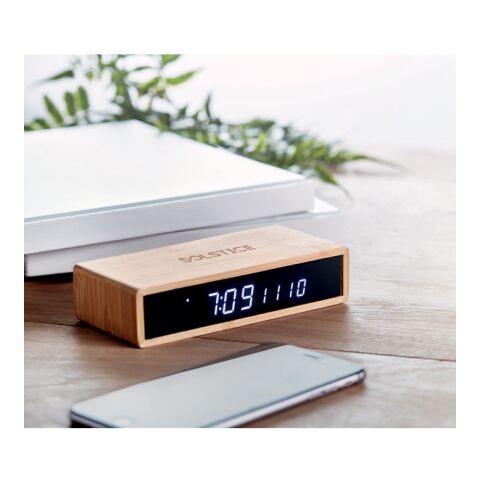
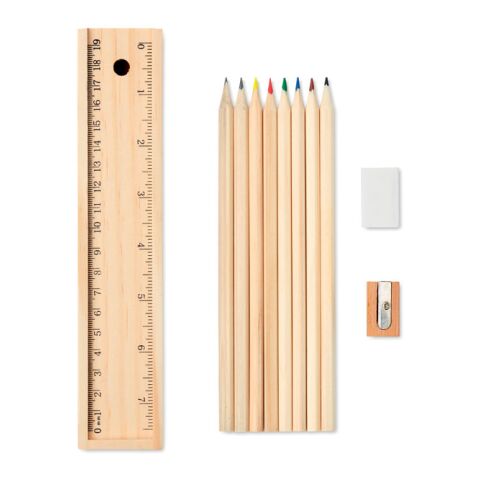
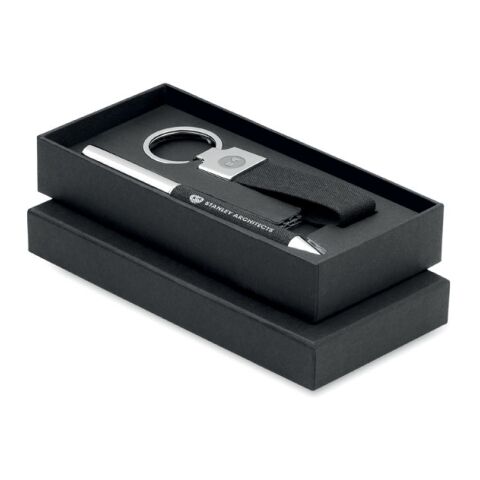
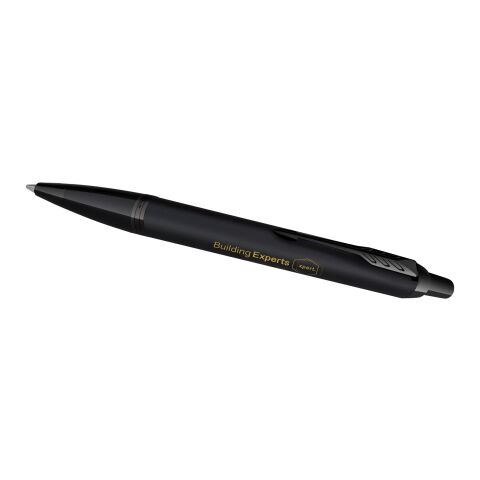
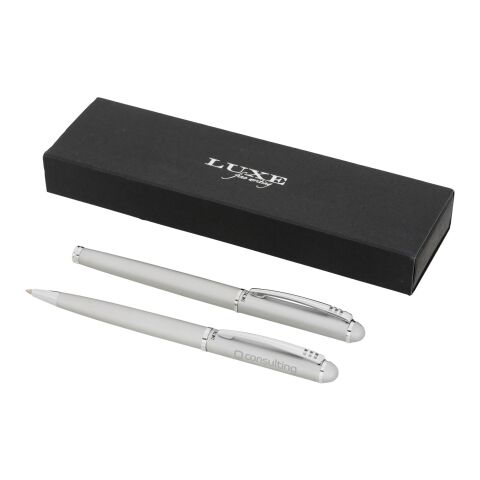
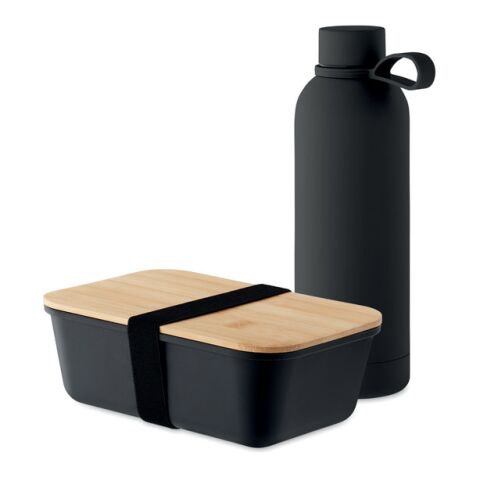
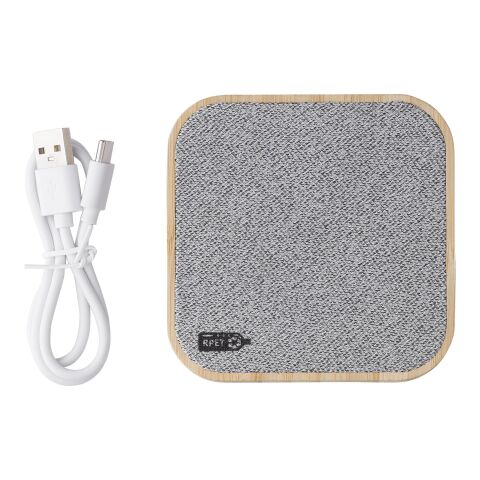
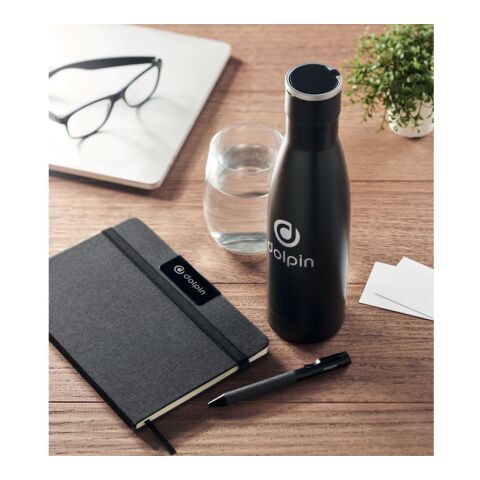
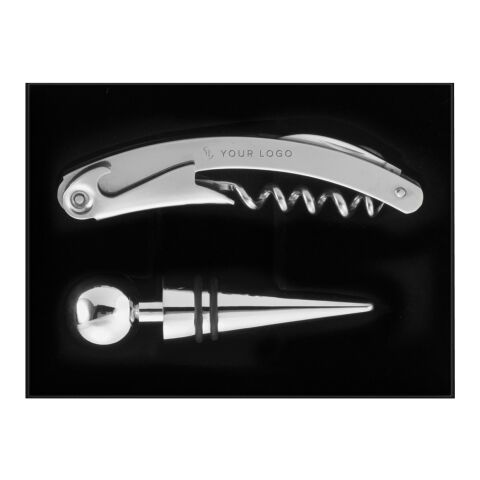
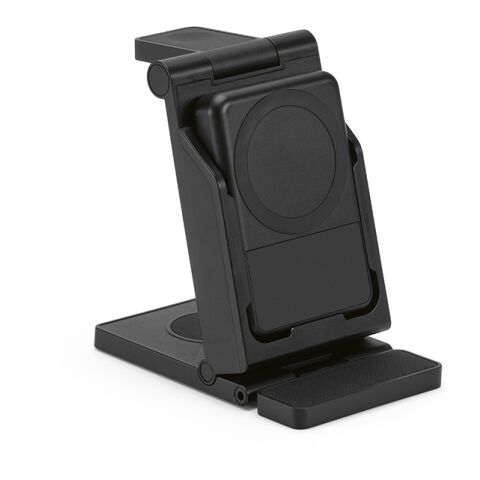
5. Use promotional products in the follow-up
Promotional giveaways do not have to stop at the stand. Sending a branded item after the event can reinforce the message. Corporate gifting is an important part of offline marketing and brand awareness.
Popular examples of promotional items include:
- Branded notebooks or pens
- Office or desk items with long-term use
- Eco-friendly products that reflect company values
📌 Why this matters:
Physical products create reminders that stay on desks and in offices. They help brands remain visible long after the event.
Promotional products for trade show follow-up
6. Connect on LinkedIn or other social media platforms
LinkedIn is a professional social media channel where inspiration and ideas live, making it a natural extension of trade show networking.
Connection requests should include:
- A short personal message
- A reference to the meeting
While a generic template can be used, the outreach message should be personal and specific to each recipient. This gives off a better impression than a generic email sent to everyone.
📌 Why this matters:
LinkedIn keeps communication open without pressure. It also allows prospects to learn more about a company over time.
7. Plan a second touchpoint
Not every contact responds to the first message. This is normal. A great way to make sure the lead is most likely to respond, ask them at the trade show what their preferred communication method is.
A second touchpoint could be considered as:
- A follow-up email
- A phone call
- A case study or blog link
Make sure to include all departments or give them a heads up. If the sales team collects leads, but expects marketing to make good on them, then marketing should be notified in advance. Some contacts might have more than one way to get in touch with them. Make sure to take advantage of that, when possible.
📌 Why this matters:
Consistent follow-up increases response rates from potential clients or customers. Many B2B sales require multiple touchpoints before progress is made. While a back-and-forth might take time, in the end, it is important to follow-up on the most important qualified leads.
Conclusion: trade shows don’t end when the event does
Trade shows are powerful because they bring people together. However, real results come after the stand is packed away.
A clear follow-up process helps companies:
- Build stronger relationships
- Stand out from competitors
- Turn conversations into customers
By acting quickly, staying organised, and communicating thoughtfully supported by promotional products the value of every trade show can be extended.
In B2B marketing, success is rarely about a single moment. It is about what happens next. Take the potential leads and convert them into hard sales or connections. Without the follow up, brands are only getting half the story.