Sustainable advertising: Are promotional items superior to digital ads?
Marketing is often considered "green" because it is digital. No paper, no physical materials – so is it automatically sustainable? It appears more environmentally friendly at first glance. On the other hand, physical advertising materials often have a poor reputation because their production consumes a great deal of energy and resources. But is that really true? Find out in the following article how sustainable digital marketing measures and traditional advertising materials can be in comparison, and what green alternatives are available.
Sustainability in business – What does it mean?
The concept of sustainability is explained in theory using the three-pillar model and essentially consists of the following three components:
1. Economic dimension of sustainability 📈
For companies, the focus should be on responsible and sustainable business practices, foregoing short-term profits in favor of long-term economic success.
2. Social sustainability dimension 🤝
People are at the center of this dimension. Companies should ensure fair working conditions and assume social responsibility both internally and throughout the entire supply chain. Striking a balance between economic success and social responsibility is crucial in this regard.
3. Environmental sustainability dimension ♻️
This dimension addresses environmental protection. Brands should use resources as sparingly and efficiently as possible, for example by avoiding waste and pollution or reducing CO₂ emissions.
But what does this mean for companies in terms of concrete measures? A holistic approach is crucial for sustainable action: all three dimensions should be considered together, and a balance between them should be sought. Economic success should be reconciled with both environmental and social responsibility, so that, in addition to profits, emphasis is placed on promoting environmental protection measures as well as fair conditions for employees and society.
What is key to sustainable advertising?
Sustainable advertising encompasses advertising measures that take ecological and social factors into account in order to minimise negative impacts on the environment and society. According to the EC (2023), these measures should appear transparent and credible to consumers. The following aspects are essential for sustainable advertising:
Environmental friendliness
According to the Federal Environment Agency (2025), environmentally friendly advertising should include measures to promote environmental protection. Examples include the use of resource-efficient materials (e.g., recycled paper or plastic) or the use of renewable raw materials (e.g., bamboo, cotton, cork, or wood). Certifications such as the FSC® label for wood and paper or the GOTS certification for textiles can guarantee ecological standards.
In addition, avoiding waste and single-use products, as well as reducing CO2 emissions to minimise the carbon footprint (e.g., through regional production with short supply chains), are essential components of eco-friendly advertising measures. At the same time, the aspect of durability is also a key focus. Products should be used for a long time and offer added value (Federal Environment Agency, 2025).
Social and ethical responsibility
Sustainable advertising also means that companies must uphold social responsibility and adhere to ethical standards in their advertising activities (Voit, 2023). Social responsibility can manifest, for example, in the form of fair working conditions during the production of advertising materials. Since advertising has a significant influence on people’s opinions, values, and behavior, brands should ensure that their campaigns avoid discrimination (e.g., based on gender or origin) and the glorification of violence, and protect particularly vulnerable target groups such as children and adolescents from problematic content.
Honesty & transparency
According to the Consumer Advice Center (2026), sustainable advertising also requires honesty and transparency. Terms such as "environmentally friendly" or "climate-neutral" must be substantiated, while greenwashing should be avoided and clear information (e.g., on supply chains or carbon footprints) should be provided.
A holistic approach is also important: Sustainability begins with the product itself—such as durability, production conditions, and corporate values. Without this foundation, advertising often appears untrustworthy.
Furthermore, sustainable campaigns rely on conscious messaging. Instead of promoting pure consumption, the focus is on education, responsible consumption, and values such as fairness and diversity.
Digital ads and their carbon footprint
Digital advertising is often seen as the eco-friendly alternative to traditional forms of advertising, since, for example, it incurs no printing costs and requires no physical materials or transportation. At first glance, it appears to be efficient, resource-efficient, and therefore more sustainable.
However, this view is only superficial, and a closer look reveals a different picture. This is because digital measures also generate emissions and leave an ecological footprint.
For instance, digital marketing measures such as banners, social ads, or newsletters require energy due to the storage, transmission, and processing of data, as well as the continuous operation of servers in data centers, thereby generating CO₂, which is still not climate-neutral (Carbon Intelligence, 2026).
In the case of larger digital campaigns, digital energy consumption actually adds up quickly, and the environmental impact is often higher than assumed. A 2022 study by Scope3 shows that the CO₂ emissions of digital advertising are quite significant: According to the study, 1,000 ad impressions, for example, generate an average of several grams of CO₂, which also depends on the format, delivery, and infrastructure. Extrapolated to large campaigns with millions of impressions, this results in an increased ecological footprint (German Printing and Media Association, 2025). The growing use of data-intensive formats such as video ads further amplifies this effect.
Sustainable promotional items as a green alternative
Physical promotional items are generally considered to be environmentally unfriendly and, compared to digital advertising, have a negative image because they often generate greenhouse gas emissions throughout their entire lifecycle. The environmental impact can span various phases: from raw material extraction through sometimes energy-intensive production to transportation and storage, particularly in global supply chains and with large quantities. The usage phase is also relevant, especially when products are used only briefly and quickly discarded. This can create the impression that physical promotional items are associated with higher environmental impacts and are perceived as less sustainable.
However, a 2026 study by PPAI-ASI shows that promotional items generate up to eight times less CO₂ per recalled advertising impression compared to digital advertising. Emissions can be significantly reduced, for example, through the use of renewable energy, short supply chains, and high-quality, durable materials.
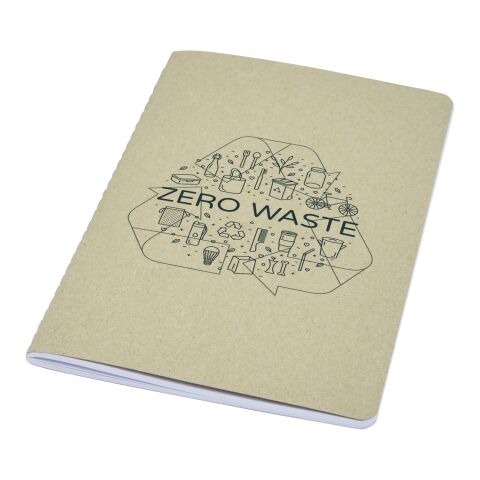
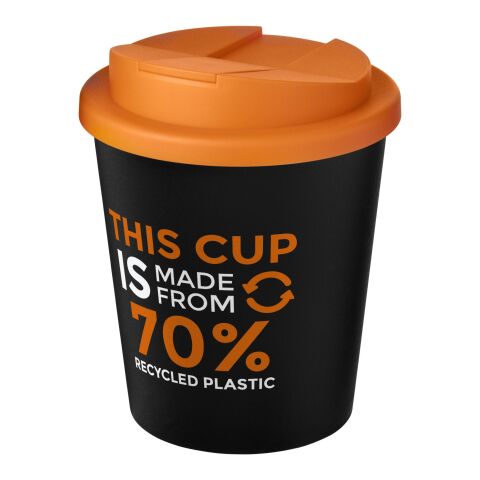
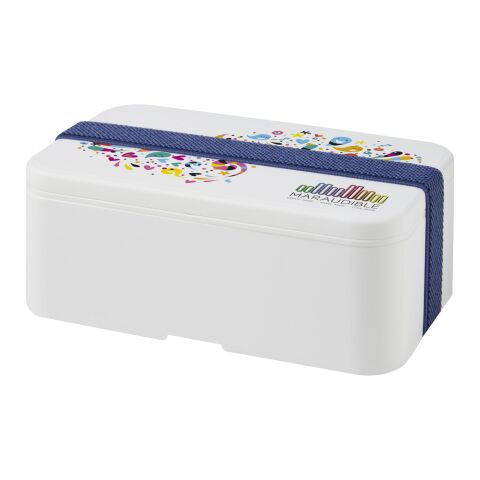
Through environmentally conscious production, careful material selection, and targeted use, promotional items can thus also be designed to be sustainable. As a result, more and more products are made from recycled, biodegradable, or certified materials, while suppliers are also increasingly focusing on sustainable supply chains and more climate-friendly manufacturing processes.
The key here lies not only in quality but also in durability: if a promotional item is carefully selected and actually used, its overall environmental impact can be significantly better than that of many short-lived promotional campaigns. For example, promotional items made from sustainable materials that are used frequently leave a smaller ecological footprint than many digital campaigns. They often remain in use for a long time, ensuring visibility over an extended period and causing comparatively little environmental impact per use (GWW, 2022). The key factor here is the duration of use. A study by the Advertising Specialty Institute (ASI, 2023) found that promotional items are typically kept by users for several months to years and are used regularly. According to ASI, a ballpoint pen, for example, is used for about eight months on average, while tote bags are used significantly longer. Thus, a high-quality ballpoint pen made from recycled material, a durable tote bag, or a practical gadget is used in everyday life for months to years and remains visible, which corresponds to a longer period of time compared to an ad clicked just once.
A longer lifespan offers a key advantage: the environmental impact is spread across many brand touchpoints. While a digital ad is often visible for only a few seconds, a durable promotional item generates recurring brand touchpoints over a long period of time, with comparatively little additional resource consumption. This not only fosters stronger brand loyalty but also results in a significantly smaller carbon footprint per visual contact.
Another advantage lies in the impact: promotional items are tactile, relevant to everyday life, and emotionally tangible. According to ASI, they not only increase brand awareness but also foster a more favorable view of a company.
Digital ads vs. promotional Items - which one wins?
Promotional items can be harmful to the climate if their production, transportation, and storage are energy-intensive and they are used for only a short time.
Online advertising also generates CO₂ emissions, for example through data storage, server operations, and data-intensive formats, which means that large campaigns in particular can have high energy consumption and a significant carbon footprint.
However, this does not mean that both digital advertising and the use of promotional items are inherently bad. Rather, it shows that sustainability in marketing is always context-dependent and that strategy is crucial.
Less wastage, carefully selected channels, and long-lasting measures lead to a better overall balance. On the other hand, promotional items can certainly be a green alternative, provided they are made from durable, recycled, and/or biodegradable materials, are produced in an environmentally conscious manner, and have a long service life. For example, high-quality water bottles made from sustainable materials can be significantly more environmentally friendly per use than digital ads and conventional promotional items combined. They create recurring brand touchpoints, foster goodwill and visibility, and spread their environmental impact over months or years.
🌱 Sustainability thus depends less on the medium than on the material, production, and lifespan. Conscious use makes promotional items a climate-friendly alternative.
Eco-friendly products for the planet