Take business branding more seriously with these simple steps
When it comes to branding a product, brands should be more concise in their approach. Whether the business is a small business or a large corporation, here are some facts about what brands should take business branding more seriously. Learn the various ways that promotional products can have a positive impact on the overall brand personality. Create a strong brand identity by connecting with the target audience. Read on to discover some facts about why brands should invest in company merchandise.

Building a new brand or business takes time. Strengthening an established brand, no matter the size, can be just as challenging. With limited marketing budgets, businesses need to make every investment count. Without a strong brand presence, new businesses can quickly go under.
What is business branding?
A business or brand starts with an idea. This idea could be how to improve the lives of the customers or fill an important gap in the market. However, this is only the beginning. There are more steps that need to be taken in order to build a brand fully.
Once that has been completed, business branding is here to ensure the business can survive long enough to help people and turn a profit.
Business branding is the ongoing and everchanging process of how the consumers, stakeholders, the overall public perceives a company. Not only the company’s products, but the core values and business model.
What is and isn’t branding
Branding is a bit more complicated and intricate than a simple logo, colour scheme, or design. While these visual elements are crucial to the overall branding experience, they are not the only factors.
The overall feeling, experiences, and reputation also play an important role. A brand might have a memorable and beautiful design, but a poor reputation from bad customer experiences can kill the brand.
Core elements of branding
There are a few things to keep in mind when starting a new business or brand. These are the core elements that should be decided upon quickly to ensure the business is being marketed and advertised to the right audience.
The four more important and core elements of branding are:
- Building trust and recognition - without this, potential customers, clients, and partners might not remember interacting with the brand. Without this, a business can quickly fail.
- Mission and values - what is the company aiming to achieve? What are the values the company upholds?
- Brand voice and tone - make sure the brand has the right tone based on product and services or the audience. Having a clear tone and voice will help to better advertise and promote the brand.
- Positioning - how companies set themselves apart from the competition. What makes this brand unique? Why should a person shop here instead of somewhere else? What is the added value?
Why does branding matter?
To quickly put it, branding can be the soul behind a company. The feeling the public and customers have is important.
Branding helps to solidify this feeling to the outside world. It helps to build trust and recognition. A strong brand helps people remember the business over time. The added value or brand equity is a commodity people value, leading to better and higher customer loyalty. Consistency is key with branding. A confusing or complicated brand does nothing for brand awareness and recognition.
Implementing business branding in real life
Promotional products offer a practical way to increase brand awareness, strengthen customer relationships and create lasting impressions. From branded clothing to reusable drinkware, useful merchandise can keep a business visible long after an initial interaction. These are physical items which make a bigger impression than a short online advert.
However, choosing the right products is only a small part of the process. Company merchandise is one tool that can help build a stronger business portfolio. Consistent branding, product quality and a clear marketing strategy all play an important role in achieving meaningful results.
Creating an emotional connection through promotional products
Strong branding goes beyond a recognisable logo. While creating a memorable logo can help, businesses need more than one image to last. It helps businesses communicate their values, build trust and create a consistent experience across customer touchpoints.
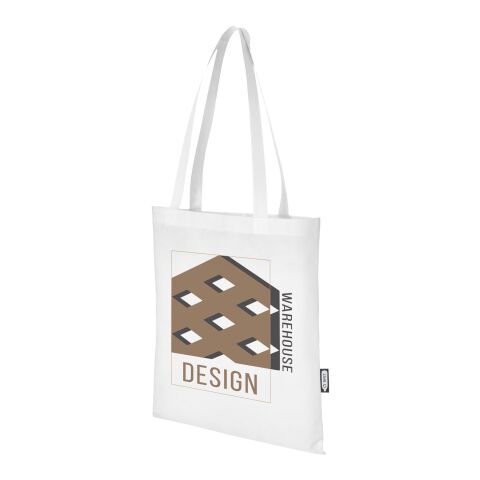
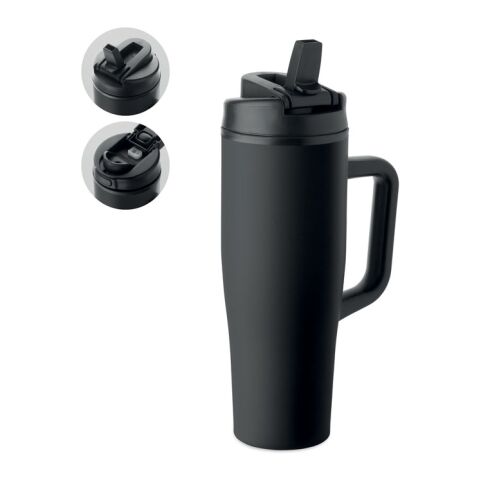
Promotional products can support this process by physically bringing a brand into people's everyday lives in a meaningful way. A reusable bottle on a desk or a branded tote bag on a daily commute can drive repeat brand recognition.
Useful, well-designed promotional products can also create a positive association with a business. When recipients value an item, they have a practical reason to keep using it. This can help reinforce their connection with the brand.
Building a strong brand identity through consistency
Brand consistency helps businesses create a clear, recognisable identity. It ensures customers get the same impression of the business, whether they visit its website, speak to staff, or get a gift.
Without consistency, brand messaging can become confusing. Different colours, logos and tones of voice may leave customers unsure what a business represents. Over time, this can weaken recognition and make the brand appear less professional.
Ultimately, customers who feel a real connection with a business may be more likely to return. They may also recommend its services and keep a long-term relationship with the brand.
Promotional merchandise provides another opportunity to reinforce a consistent identity. Businesses can choose products that reflect their brand colours, logo and overall positioning.
To maintain consistency, businesses should:
- Use approved logos and brand colours across all merchandise and media.
- Choose products that reflect the brand's values and target audience.
- Check artwork and print quality before approving an order.
- Keep a copy of approved artwork for future campaigns.
A consistent approach makes promotional products feel like a natural part of the brand. It prevents them from seeming like random giveaways. Plus, it ensures the corporate identity is consistent and memorable.
Using promotional products to support social media marketing
Social media gives businesses the opportunity to reach new audiences and encourage conversations around their brand. Promotional products can complement these efforts by giving customers something tangible to use, share or feature in their content.
A well-designed product may appear in a photograph, an unboxing video or a customer's everyday social media post. This can introduce the brand to people beyond its existing audience.
However, these outcomes are not guaranteed. The product must appeal to its target audience. Any incentive to share content should feel natural, not forced.
Businesses should create positive experiences that people want to share. Encourage engagement by:
- Including useful branded merchandise in customer welcome packs or employee onboarding kits.
- Running social media competitions featuring relevant promotional products.
- Creating branded gifts that customers will genuinely want to photograph and share on social media.
- Using a campaign hashtag to help organise user-generated content.
- Connecting promotional products to a wider campaign, event or product launch.
Word of mouth can also play an important role. Recommendations from friends, family, and colleagues can build trust.
Quality matters more than quantity
Promotional products represent the business that distributes them. If an item feels poorly made or breaks after being used only a few times, people may get the wrong impression. A useful, durable product has a better chance of lasting over time and keeping the brand visible.
This does not mean every campaign needs expensive merchandise. The key is to balance cost, usefulness and quality.
For example, a well-made pen can be a smart choice for a large trade show. A premium water bottle or branded clothing may better suit employee gifts. They may also suit key client relationships.
High-quality products are better suited for internal gifts for loyal people. Cheap gifts are better suited for large quantities to get a brand’s name out there.
When comparing products, businesses should consider:
- Durability: Will the product withstand regular use?
- Practicality: Does it serve a genuine purpose? Will the target audience continue to use this product?
- Audience relevance: Is it something recipients are likely to keep?
- Brand visibility: Will the logo remain clear and easy to recognise? Does the product relate to the brand’s specific industry? Is it recognisable?
- Overall value: Will the product be worth the budget spent? Is it long-lasting enough to get its expected marketing value?
Everything comes down to one thing. A few carefully chosen products can be more valuable than the sheer quantity of items. Recipients may not need a large number of items just for the sake of having more. In turn, this makes the unwanted products more likely to be thrown out.
Choosing promotional products with lasting value
Certain product categories give a higher return on investment than others. Some product categories are particularly suitable for repeated use. These are the most popular options that can provide a lasting impact for the target audience.
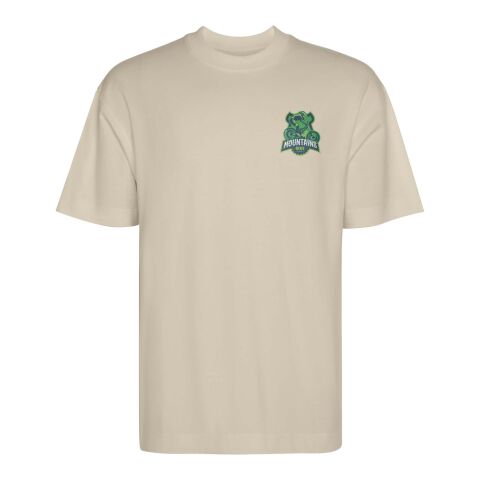
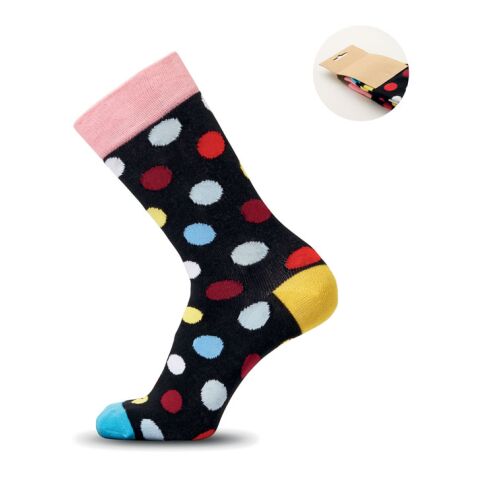
- Branded clothing: Useful for staff uniforms, events and customer gifts. Adding a custom logo on the textile makes it a perfect branding opportunity.
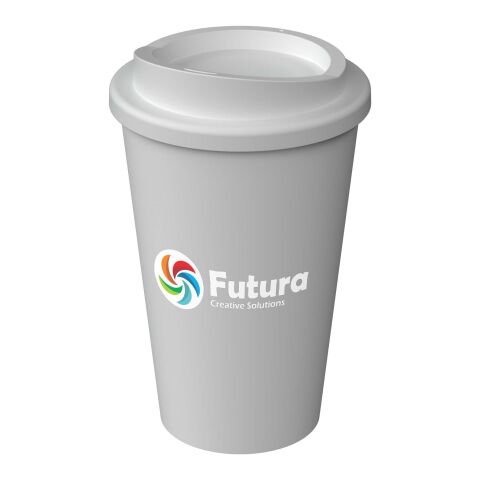
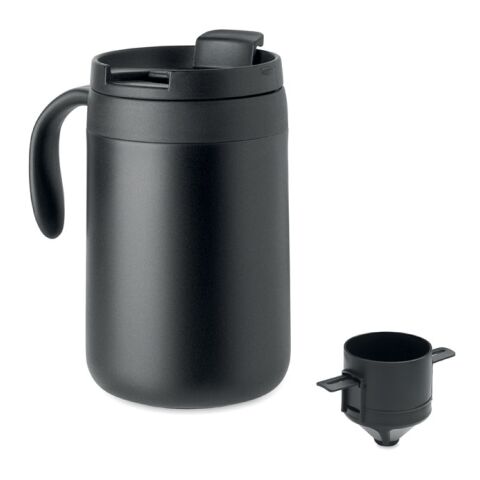
- Drinkware: Reusable bottles and mugs can become part of everyday routines. Especially as these can be used every day by anyone and everyone.
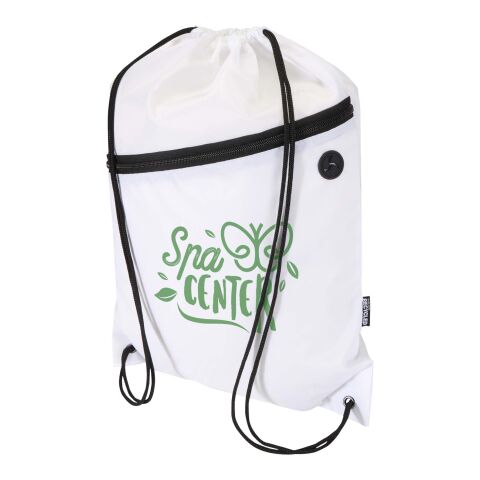
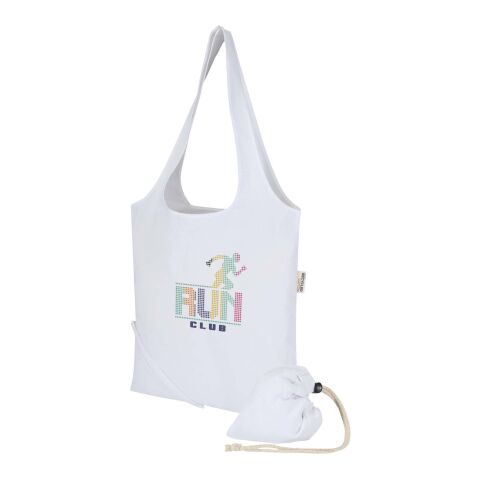
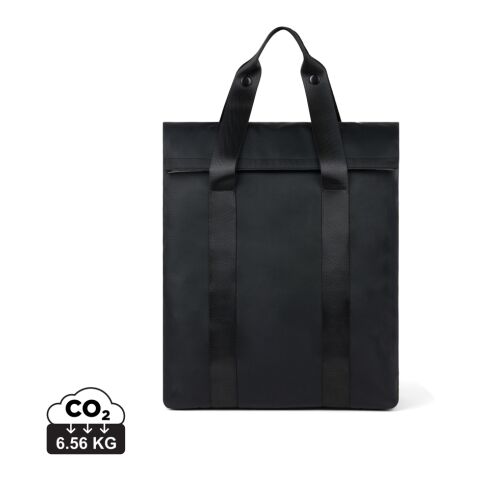
- Bags: Tote bags and shopping bags offer practical storage and opportunities for visible branding. These are cost-effective products that can last for years.
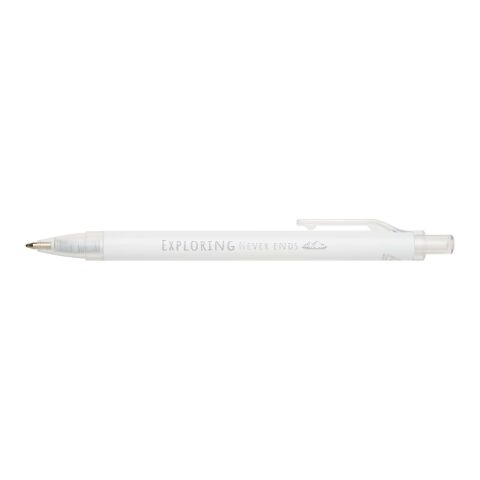
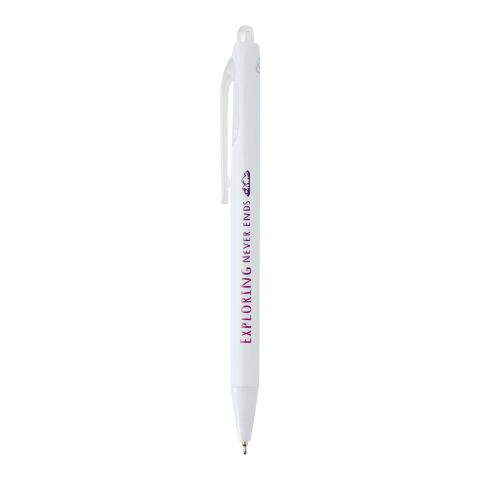
- Pens and stationery: Suitable for offices, meetings, conferences and trade shows. While this might be a standard, “boring” product, pens can be very effective.
The best choice depends on the audience, campaign objectives, and budget. Product longevity alone does not guarantee marketing success, but it can create more opportunities for repeated exposure.
Sustainable promotional products are gaining attention
Sustainability has become an important consideration for businesses choosing promotional merchandise. Products made from recycled materials, reusable alternatives to disposable items and responsibly sourced materials can help support a company's environmental commitments.
However, sustainability claims need to be accurate. Businesses should check product specifications, certifications, and material information before ordering rather than relying on vague descriptions such as “eco-friendly.”
When choosing sustainable promotional products, businesses should consider:
- Materials: Look for verified information about recycled or responsibly sourced materials.
- Durability: Choose products designed for repeated use.
- Practicality: Focus on items that serve a purpose for the intended audience.
- Packaging: Be on the look out for unnecessary packaging
- Transparency: Ask for certificates and other eco-friendly documentation for the products.
Sustainable merchandise can help businesses communicate their values, but the product itself needs to deliver genuine value. Choosing a reusable item that recipients actually use generally works better than choosing one that recipients quickly discard.
Making promotional products work for the business
Promotional merchandise can support brand awareness, customer relationships and marketing campaigns. Its effectiveness depends on choosing the right products and using them with a clear purpose.
For businesses looking to strengthen their brand, the most important considerations are consistency, quality, usefulness, and audience relevance. These principles help ensure that promotional products contribute to a coherent brand experience.
With careful product selection and branding, promotional merchandise can help. It can also support a broader marketing strategy.
Promotional products for better business branding