How to choose the best printing method: ultimate beginner's guide
Choosing the right promotional product can be difficult, but understanding which printing method works the best should not. Learn more about each printing method possible for a variety of products, materials, and surfaces. Get insights into how each method is done, what makes each method the best, and what might hinder the branding method. Enjoy a clear table as well, to give readers a clear and straightforward outline to each method.
The power of printing and branding in promotional products is undeniable. From corporate logos on pens to vibrant designs on T-shirts, the right printing method can transform an ordinary item into a memorable promotional giveaway.
While it is important to choose the right product and colour to match a company's brand identity, the printing method is just as crucial. By choosing the right printing method, the product can be more impactful, giving brands and advertising more weight.
This guide covers popular printing techniques in the promotional merchandise industry. It helps businesses choose the best options for their branding. Learn about each printing method, their strengths and weaknesses and what product would look best with each of these branding strategies.
Key printing methods at a glance
For a quick reference, here is a summary of the most common printing techniques and their ideal applications:
Printing methods breakdown
| Printing method | Best suited for | Key benefit | Similar to |
|---|---|---|---|
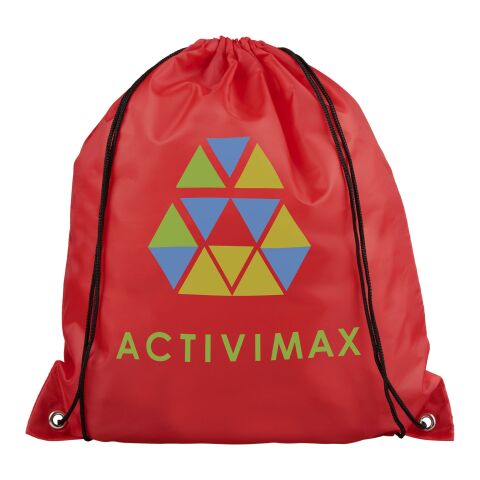
| Screen printing | Apparel, t-shirts, tote bags | Cost-effective for large bulk orders | Pad printing |
| Digital printing | aper notebooks, sticky notes | Excellent for intricate, full-colour details | Offset printing |
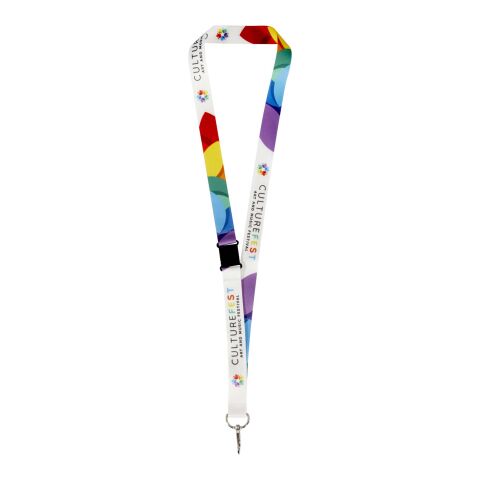
| Sublimation | Lanyards, polyester fabrics, mugs | Vibrant, fade-resistant designs | Direct to film (DTF) |
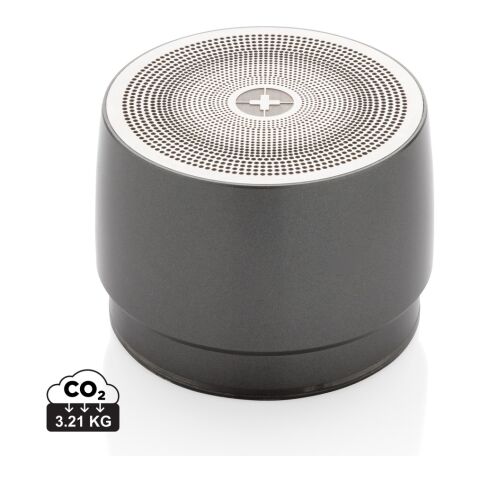
| Laser engraving | Metal pens, USB drives, wood | Permanent, premium finish | Debossing, embossing |
| Offset printing | Brochures, flyers, catalogues | High-volume paper printing | Digital printing |
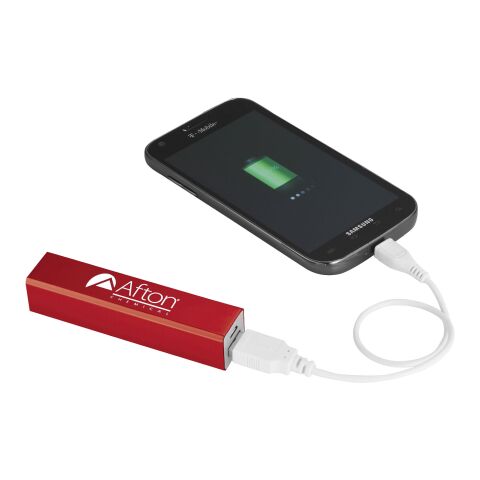
| Pad printing | Pens, stress balls, golf balls | Ideal for curved or uneven surfaces | Screen printing |
| Relief printing | Premium business cards | Unique, textured feel | Pad printing |
| Transfer printing | Caps, hats, bags | Versatile fabric application | Sublimation, screen printing |
| Embroidery | Apparel, tote bags, accessories | Premium, durable, 3D finish | Relief printing |
An in-depth look at promotional printing techniques
Learn more about each printing method and how it can best work for different products and overall visions.
Screen printing
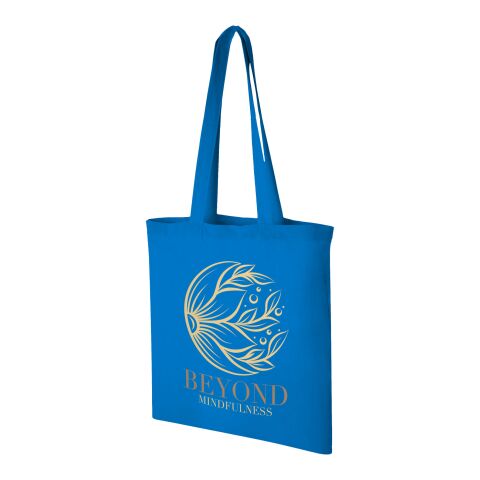
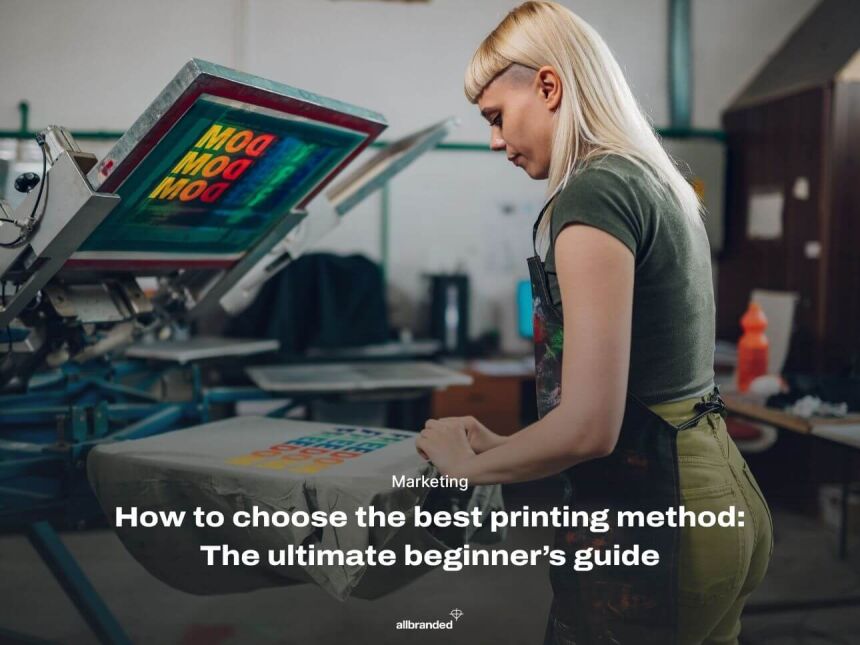
This classic technique uses a mesh stencil to transfer ink onto a flat surface. A rubber squeegee is used to pull the colours through the mesh stencil to print onto the material. Screen printing is highly durable, ensuring designs withstand regular use and washing.
📌 Key features
- Create bright and colourful designs as there are no limits to the colour options available
- Cost-effective for branding large amounts at once
- Withstands wear and tear, leaving a lasting impression for a long time
- Can be printed on most materials, making it a versatile method for various products
🏆 Ideal for: T-shirts, hoodies, and tote bags
🔗 Similar to: Pad printing
Digital printing
Also known as direct digital printing (DDP), digital printing prints high-resolution designs directly from a computer onto the material. It offers incredible flexibility and quick turnaround times. Because the design is printed from the computer, is it easy to create intricate designs that other printing methods cannot offer.
📌 Key features
- Cost-effective for running small batches of promotional materials
- Quick turnaround times for tight deadlines
- Many colours can be used as there is no limitations
- High quality printing
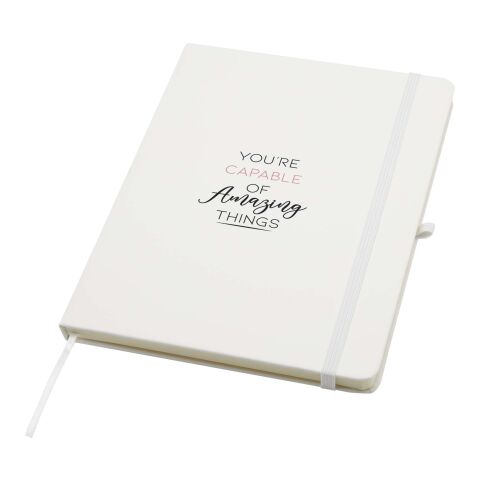
🏆 Ideal for: Smooth flat surfaces, such as notebooks or sticky notes
🔗 Similar to: Offset printing
Sublimation
Sublimation involves printing a design onto specialist transfer paper and applying heat to fuse the ink directly into the fabric fibres. Through heat, the ink is turned into a gas, which is then bonded directly onto the fabric or material. This results in vibrant, long-lasting prints that will not crack or peel.
📌 Key features
- Zero texture on the promo item as sublimation does not leave anything noticeable
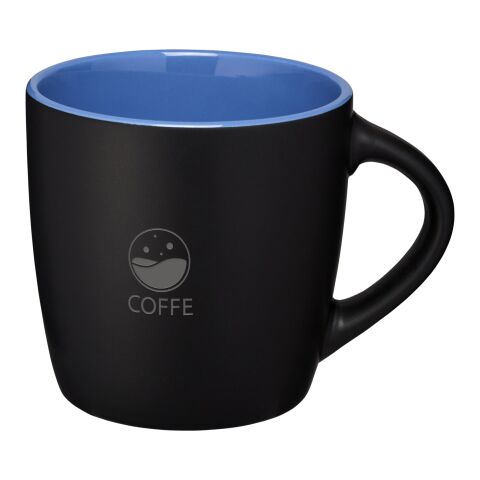
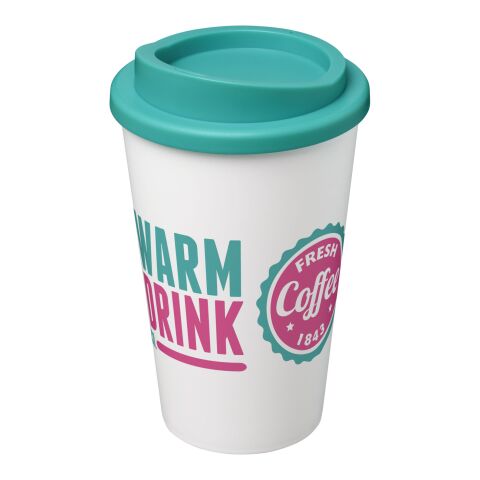
- Perfect for materials such as polyester, ceramics, aluminium, and plastics
- Easy to use for small run batches or large batches - cost-effective at every amount
- Vibrant branding and intricate designs full of colour
- Durable against daily wear and tear
🏆 Ideal for: Lanyards and polyester sports clothing
🔗 Similar to: Transfer printing
Laser engraving
For a touch of elegance, laser engraving etches a design permanently into a surface, giving a 3D effect on products. Laser engraving removes the materials to leave an absence where the branding is shown. This precise method gives corporate gifts a sophisticated, premium finish.
📌 Key features
- Long-lasting and it will hold up for a long time despite wear and tear
- Creates clear designs, complicated and intricate ones as well
- No distorting when printing or branding as the laser never touches the material
- Leaves a touchable branding
- Cost-effective because there are no additional physical tools or consumables that add costs
🏆 Ideal for: Metal USB flash drives, metal water bottles, and wooden cutting boards
🔗 Similar to: Debossing or embossing
Offset printing
Offset printing transfers ink from a plate to a rubber blanket, and then onto the final surface. It offers exceptional colour accuracy and sharpness for paper-based marketing materials.
📌 Key features
- While there are high up-front costs, the cost significantly decreases when more items are purchased at a time - good for bulk batches
- Exact colour matching is possible - so any colour can be chosen from the Pantone Matching System (PMS)
- Consistent quality across all branding products
🏆 Ideal for: Catalogues, brochures, and flyers
🔗 Similar to: Digital printing
Pad printing
The pad printing method uses a flexible silicone pad to pick up ink from an etched plate and press it onto an object. Because the pad can mould to different shapes, it is perfect for irregular surfaces.
📌 Key features
- Perfect for rounded surfaces or any non-traditional surface or materials
- Cost-effective for small batches or large bulk orders
- Large quantities can be printed in a short amount of time, making it perfect for quick turnarounds
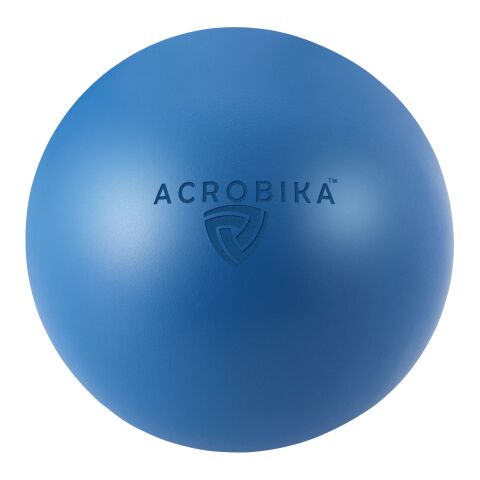
🏆 Ideal for: Round or curved items like pens and stress balls
🔗 Similar to: Screen printing
Relief printing
With centuries of history, relief printing (also known as thermography) involves carving a design into a block, inking the raised surface, and pressing it onto the material. It creates a distinctive, textured look. This method can give a 3D look to the product, making it more memorable compared to other traditional printing methods.
📌 Key features
- Great for small print runs, making it a great option for smaller orders
- Lower cost compared to steel or other engraving processes as little manual work is needed for this method
- Possible to print double-sides and high-quality colours
🏆 Ideal for: Business cards and stationery
🔗 Similar to: Pad printing or hot stamping
Transfer printing
Transfer printing is a versatile technique that prints a design onto transfer paper before heat and pressure are applied to bond it to the product. It allows for full-colour, complex visuals on various materials.
📌 Key features
- Great for low-quantity runs or small batches
- Can easily handle complex colours and details
- Works well for a variety of materials, making it a versatile option for a wide range of products
🏆 Ideal for: Hats, caps, and mugs
🔗 Similar to: Sublimation, screen printing, or Direct to Film (DTF) printing
Embroidery
For a premium, long-lasting, and highly professional finish, embroidery is the ultimate choice. This traditional technique involves stitching a design directly into the fabric using high-quality threads and computerised embroidery machinery. It adds a textured, three-dimensional look that exudes quality, making it incredibly durable and resistant to fading or peeling. Embroidery is a standard practice for high-end corporate apparel, uniforms, and winter workwear.
📌 Key features
- Long-lasting design as embroidered designs can easily withstand long-term wear and tear
- Embroidered designs are perfect to withstand hot temperatures when doing the washing
- Gives a professional appearance and a 3D effect
- The design is programmed into a computer, allowing for tight and precise production
🏆 Ideal for: Polo shirts, jackets, hoodies, and baseball caps
🔗 Similar to: Relief printing (for its tactile, raised finish)
Frequently asked questions
Screen printing vs. sublimation: what is the difference?
While both are excellent for custom corporate merchandise, they suit different project requirements.
- Screen printing uses a stencil and liquid ink. Best for mass production and simple, solid-colour designs.
- Sublimation uses digital heat transfer to bond ink into synthetic fibres. High-resolution photographs, gradients, and intricate details on polyester fabrics are best.
Screen printing prints on top of the fabric, which sublimation combines the ink with the fabric, effectively combining the ink and fabric together. There is no distinction between the fabric and the ink when it has been printed with sublimation.
Screen printing vs. digital printing: which is better?
Screen printing and digital printing are both similar in their methods. However, when comparing the two methods against each other, there are a few major differences that should be noted.
The choice between these two methods usually depends on the order volume and design complexity.
- Screen printing excels at large-scale production, offering bright, long-lasting, and cost-effective prints for bulk orders.
- Digital printing utilises advanced inkjet technology to print directly from a computer. It offers maximum flexibility for smaller order quantities and highly complex, multi-coloured artwork.
Both offer large scale printing at an affordable price. In some cases, it all comes down to the design and what the end result should be. How should the printing feel on the promotional item?
What is the best method for t-shirt printing?
For custom promotional T-shirts, screen printing remains the industry favourite. Companies and recipients still sing its praises as it allows for bright colours and detailed designs at a low price point for larger bulk orders.
The actual printing process ensures that artwork remains vibrant even after frequent wearing and washing. It provides consistent, professional results, whether producing staff uniforms or promotional trade show giveaways.
Conclusion - what is the right printing method?
When spending time, effort, and money on these marketing products, it is important to make the branding last. By understanding each method and choosing the right one for the specific product can be the difference between success and failure.
Whether the goal is durability, vivid colour, or premium elegance, the promotional product industry offers a technique to suit every branding requirement. Understanding these methods allows businesses to make informed decisions, ensuring logos and slogans stand the test of time.
For even more detailed definitions about relevant branding and ordering processes, visit the Glossary.
Promotional products for every branding method